Effective Strategies for Influencer Marketing Success
Effective Strategies for Influencer Marketing Success
- Set clear, measurable goals aligned with business outcomes, such as sales or lifetime value, instead of focusing on vanity metrics.
- Choose influencers based on relevance, reach, and resonance, prioritizing engagement and authenticity over follower count.
- Establish long-term partnerships or ambassador programs to build consistent and credible brand advocacy.
- Integrate influencer content across paid and owned channels while managing usage rights and compliance requirements.
- Use data-driven tools and conversion-focused KPIs to measure campaign effectiveness and optimize results.
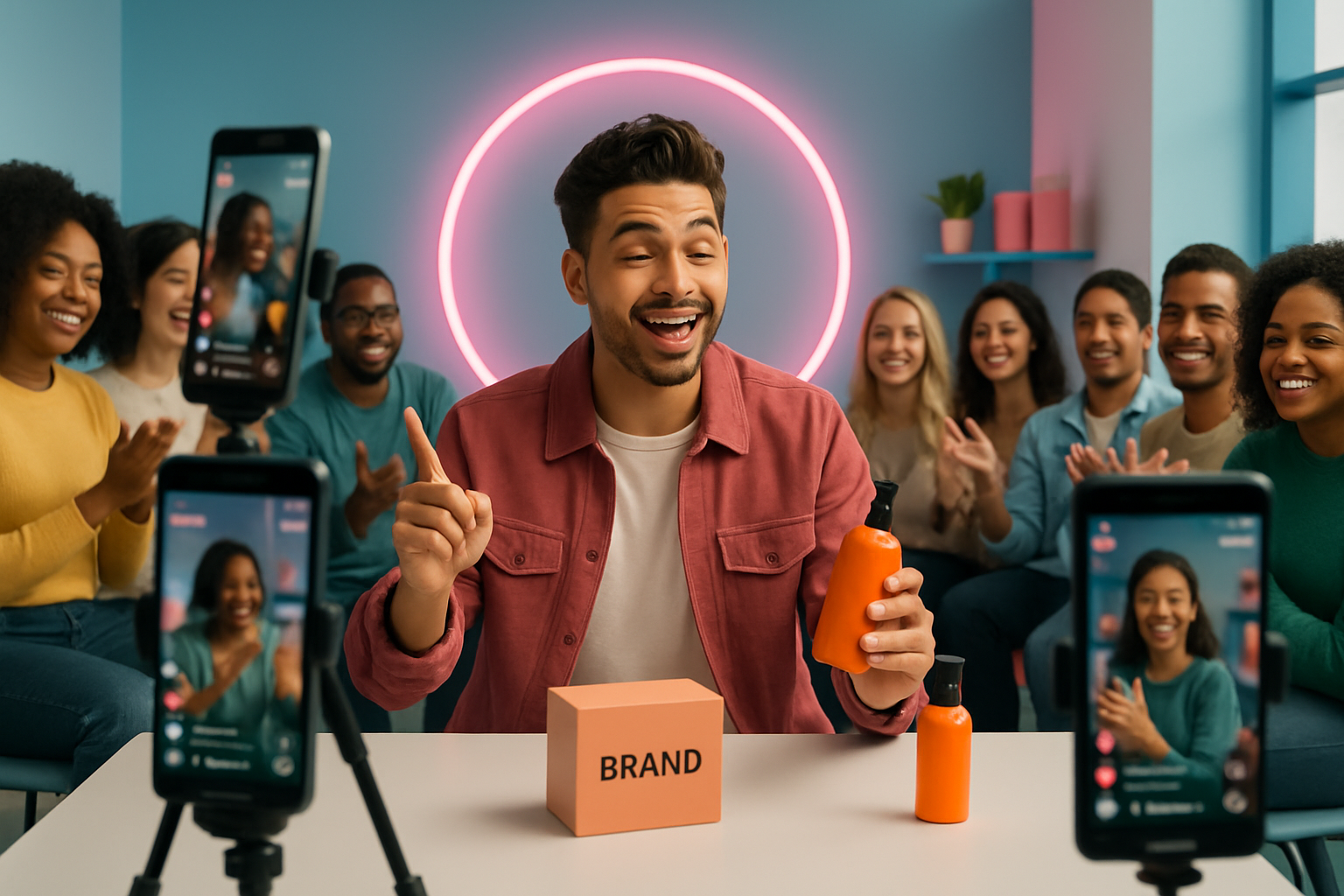
Effective strategies for influencer marketing success are essential in today’s digital marketing landscape. Influencer marketing leverages social media personalities to promote brands, products, or services to targeted audiences. This approach is relevant for entrepreneurs and established brands aiming to drive brand growth and improve social media marketing outcomes. Implementing well-designed marketing strategies that focus on measurable goals, authentic creator partnerships, and comprehensive campaign management can maximize the return on investment of influencer marketing campaigns.
Introduction to Influencer Marketing Strategies: Importance and Audience
Influencer marketing has become a critical component of modern marketing strategies, offering opportunities to reach diverse and engaged audiences through trusted voices. It matters because consumers increasingly rely on recommendations from creators they follow rather than traditional advertising. Effective influencer marketing strategies are vital when launching new products, expanding brand awareness, or driving specific business outcomes such as lead generation or sales. These strategies are particularly important for entrepreneurs and brands seeking scalable growth and improved social media presence.
Success in influencer marketing depends on choosing the right creators, defining clear objectives, and measuring performance with business-relevant key performance indicators (KPIs). This approach is no longer about counting followers but about creating authentic, measurable results that contribute to long-term brand growth and customer lifetime value (LTV).
Main Strategies for Influencer Marketing Success
Setting Clear and Measurable Goals
Defining precise, measurable goals is foundational to influencer marketing success. Goals may include awareness, traffic, sales, app installs, lead generation, or customer acquisition cost (CAC) reduction. Establishing these objectives allows marketers to select influencers, creative formats, and performance metrics aligned with desired business outcomes rather than vanity metrics such as likes or follower counts.[5][4]
Prioritizing Relevance, Reach, and Resonance
Effective influencer selection is based on three key principles: relevance, reach, and resonance.[4] Relevance ensures the influencer’s audience matches the target market, reach gauges the potential scale of exposure, and resonance reflects engagement and trust, which are predictors of conversion effectiveness. Engagement and authenticity often matter more than raw follower numbers, which is why micro-influencers (10,000 to 100,000 followers) and nano-influencers are frequently more effective due to higher trust and interaction rates.[1][5]
Building Long-Term Partnerships
Long-term relationships with influencers create credible and consistent brand advocacy, often via ambassador programs.[1][2] This approach compounds impact over time and drives authentic endorsements, which outperform one-off promotional posts. Budgeting and contracting for ongoing collaborations supports sustained brand growth and leverages influencers’ evolving audience engagement.
Integrating Influencer Content Across Channels
Maximizing ROI involves amplifying influencer content using paid media alongside organic channels.[1][2] Techniques include whitelisting influencer content, boosting high-performing posts on social platforms, and repurposing user-generated content (UGC) in advertisements and website assets. Managing rights and usage agreements upfront ensures compliance and avoids disputes.
Using Data-Driven Measurement and Optimization
Influencer marketing effectiveness must be tracked through conversion-focused KPIs such as sales, sign-ups, installs, and customer acquisition costs.[2][5] Attribution tools like promo codes, affiliate links, UTM parameters, and tracking pixels enable precise measurement. Evaluating engagement metrics (comments, saves, watch-through rates) alongside efficiency measures (CAC, ROAS, LTV) informs campaign refinements. Continuous testing and scaling of creator types and formats help optimize results and convert one-off campaigns into permanent partnerships.[3][1]
Tactical Playbook for Implementing Influencer Marketing
- Define Objectives and KPIs: Map campaigns to target KPIs that drive the business, moving beyond superficial engagement metrics to metrics such as conversions, ROAS, and app installs.[5][2]
- Audience and Platform Selection: Focus on platforms most frequented by the target audience — TikTok, Instagram, and YouTube suit B2C contexts, while LinkedIn is effective for B2B marketing. Choose appropriate content formats like short-form videos, tutorials, or livestreams.[4][1]
- Discover and Vet Creators: Utilize data-driven platforms to analyze audience demographics, engagement rates, brand alignment, and authenticity to avoid fake followers.[2][6]
- Contracting and Budgeting: Negotiate content usage rights and payment models upfront, including flat fees, performance-based commissions, or gifting, with budgets allowing for long-term collaborations.[2][1]
- Creative Brief and Freedom: Provide clear brand guidelines and key messages while allowing creators freedom to tailor messaging in their authentic voice, maintaining compliance with disclosure requirements.[6][5]
- Campaign Management and Cadence: Set timelines, approval workflows, and use management platforms or dashboards to coordinate deliverables and monitor performance efficiently.[6][2]
- Measurement and Attribution: Track results with promo codes, affiliate links, and detailed parameters to calculate CAC and ROAS, and conduct lift tests where feasible.[2][5]
- Iterate and Scale: Evaluate performance continuously, focus on high-performing creators and formats, and expand one-time collaborations into ongoing ambassador programs.[3][1]
Measurement Framework and Key Metrics
- Primary Conversion KPIs: Sales, leads, installs, and sign-ups tracked through unique codes, affiliate links, or pixels ensuring accurate attribution.[2][5]
- Engagement and Quality Signals: Measurement of saves, watch-through rate, comments, and sentiment analysis to gauge content resonance.[4][1]
- Efficiency Metrics: Evaluation of CAC, CPA, ROAS, and customer LTV to assess long-term financial impact.[2]
- Brand Lift and Awareness: Use survey-based testing or uplift analysis in large campaigns to measure reach and changes in brand attitudes.[2]
Creative Formats and High-Impact Tactics
- Short-Form, Native Video: TikTok and Instagram Reels offer discovery and viral potential for maximizing reach.[1][2]
- Tutorial, Demo, and Unboxing Content: Educational formats that build product trust and demonstrate utility.[5]
- Live Shopping and Livestream Commerce: Facilitate high-intent conversions through real-time engagement.[4][1]
- User-Generated Content (UGC) Contests: Encourage community participation to expand content volume and social proof; securing rights is critical for repurposing.[2][1]
- Affiliate and Commission Structures: Align creator incentives with performance to drive measurable sales.[1][2]
Risk Management, Compliance, and Brand Safety
- Enforce FTC-style disclosures and platform-mandated paid post tags, including clear guidance within creative briefs to ensure compliance.[6][4]
- Vet influencers for audience authenticity and past controversies, incorporating brand-safety clauses into contracts to mitigate reputational risks.[2][4]
- Allocate budget for content rights and clarify duration, geographical scope, and exclusivity to prevent disputes.[2][1]
Organizational Setup and Scaling of Influencer Marketing
Start with pilot campaigns to understand fit between creators, formats, and brand objectives. Establish evergreen budgets for sustained partnerships while planning additional spends for seasonal peaks or product launches.[3][1]
Leverage influencer management platforms to centralize campaign elements including discovery, contracting, content approvals, and analytics tracking.[2][6] Establish cross-functional collaboration among paid media, PR, e-commerce, and creative teams to integrate influencer content and maximize campaign coherence.[6][1]
Common Pitfalls and How to Avoid Them
- Avoid chasing vanity metrics like likes and follower counts without correlating to conversions; prefer affiliate tracking and conversion KPIs.[2][5]
- Resist micromanaging creators. Provide structured briefs with clear brand guidelines and compliance instructions, but trust influencers’ authenticity to engage audiences.[5][6]
- Negotiate content reuse and amplification rights upfront to prevent costly renegotiations and legal issues.[2][1]
- Allocate sufficient budget for paid amplification of high-performing influencer content to extend reach beyond organic visibility.[1][2]
Emerging Trends in Influencer Marketing
Advanced data-driven influencer discovery tools and artificial intelligence are increasingly employed to enhance creator-brand matching, ensuring alignment and authenticity while detecting fraudulent followers.[2][6]
The emergence of commerce-native formats, including shoppable posts and livestream shopping, has enhanced direct-response effectiveness and streamlined purchase journeys through influencer channels.[1][4]
Brands are shifting from transactional, one-off collaborations toward long-term ambassador relationships and integrating influencer content with broader marketing technology stacks, enabling sustained brand growth and improved ROI.[1][2]
Summary
Effective strategies for influencer marketing success rest on a clear alignment between marketing objectives and creator partnerships. Emphasizing measurable goals, relevance, authenticity, and long-term collaboration enables brands and entrepreneurs to drive brand growth and achieve meaningful results within social media marketing ecosystems. Integrating influencer content across owned and paid channels while employing data-driven tools and comprehensive measurement frameworks ensures sustainable and scalable campaigns. Adhering to compliance and brand safety safeguards protects reputation in a dynamic digital environment.
For further insights and updated best practices on influencer marketing and brand growth, the latest news and expert analysis are available on famemakr.com.