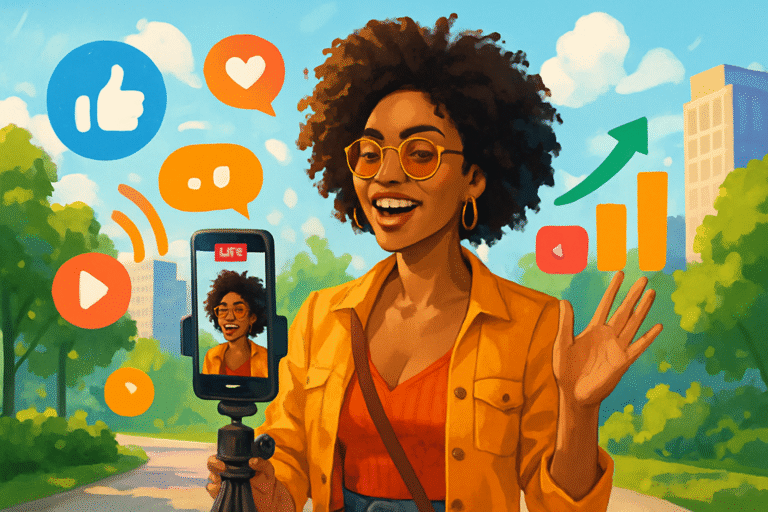
Effective Strategies for Influencer Marketing Growth
Effective Strategies for Influencer Marketing Growth
Effective Strategies for Influencer Marketing Growth have become essential in 2025 to maximize business growth through social media marketing. Influencer marketing continues to evolve with an emphasis on authentic partnerships, data-driven targeting, and integrated marketing strategies. Understanding these approaches is crucial for companies aiming to improve their entrepreneurship outcomes via influencer collaborations.
- Targeting nano- and micro-influencers aligned with brand values enhances engagement and cost efficiency.
- Personalized product seeding fosters organic sharing and emotional brand connections.
- Long-term brand ambassador programs build sustained audience trust and influence.
- Combining affiliate marketing models and paid social amplification extends reach and consistency.
- Data-driven planning and diversified platform strategies optimize campaigns for broader impact.
Introduction to Influencer Marketing Growth
Influencer marketing plays a critical role in contemporary marketing strategies, offering brands the ability to reach targeted audiences through trusted voices on social media platforms. As entrepreneurship increasingly incorporates digital channels, influencers provide an effective path to business growth. The relevance of influencer marketing escalates with platforms like TikTok, Instagram, and YouTube dominating user engagement, requiring brands to adapt and refine their approaches.
Effective influencer marketing growth strategies are vital for businesses aiming to maximize return on investment (ROI) while maintaining authenticity. These strategies pertain to brands of all sizes but are particularly pertinent for businesses seeking scalable, sustainable growth within competitive digital marketplaces. Employing data-driven and relationship-based tactics ensures campaigns remain relevant and connect digitally to consumers in meaningful ways.
Main Strategies for Influencer Marketing Growth
Targeting the Right Influencers
Effective influencer marketing growth starts with selecting influencers whose audiences closely match the brand’s target market. Nano- and micro-influencers—typically those with smaller, niche followings—demonstrate higher engagement rates and provide cost-effective opportunities relative to macro-influencers. These influencers often create viral content, especially on emerging platforms like TikTok.
Evaluating audience demographics, psychographics, and lifestyle fit helps ensure that influencer partnerships align authentically with brand values and objectives. Brands benefit from deeper connections with consumers this way, increasing the chances of genuine engagement[1][2][4].
Product Seeding and Personalization
Personalized product seeding involves sending products to influencers with thoughtful touches, such as custom packaging, handwritten notes, or exclusive gifts. This strategy encourages organic sharing and builds goodwill between influencers and brands. It often results in authentic user-generated content, fostering emotional connections that enhance brand perception and authenticity in influencer marketing efforts[1].
Brand Ambassador Programs
Developing long-term relationships with influencers through brand ambassador programs strengthens influencer marketing campaigns. By prioritizing influencers whose voices and values align with the brand, companies can maintain consistent promotion beyond one-off collaborations.
Offering exclusive perks such as early product access, invitations to events, and premium pay sustains influencer engagement and fosters audience trust. This strategy promotes deeper, sustained influence that benefits business growth[1][3][4].
Affiliate Marketing Hybrid Models
Affiliate marketing hybrid models combine guaranteed payments with commission-based incentives, motivating influencers to promote consistently. Introducing gamification elements like promotional tiers, bonuses, and exclusive gifts can increase engagement and performance further.
The hybrid approach balances security for influencers with performance-based rewards, driving more effective social media marketing campaigns[1].
Paid Social Amplification and Whitelisting
Integrating influencer content into paid social ads allows brands to scale reach beyond the influencer’s organic audience. Whitelisting influencer content for paid promotions, such as TikTok Spark Ads, leverages native platform ad formats for increased visibility.
Using retargeting strategies enhances the effectiveness of influencer posts, driving higher engagement rates and expanding potential reach effectively[2][3].
Data-Driven Campaign Planning and Optimization
Employing AI, analytics, and continuous content audits optimizes influencer marketing campaigns. Hyper-personalized targeting based on engagement metrics like watch-through rates, saves, and shares identifies the most resonant content and messaging.
Using data-driven techniques refines influencer selection and messaging strategies, improving ROI and the efficiency of marketing efforts[3][6].
Diversify Platform and Content Strategy
Maintaining an active presence on established platforms such as Instagram, TikTok, and YouTube remains important, while exploring emerging social media channels offers new audience segments. Tailoring content formats, calls to action (CTAs), and creative elements to platform specifics maximizes campaign relevance and effectiveness.
A diversified approach enables broader audience reach and sustained engagement across multiple channels[3][4].
Integrated Marketing Approach
Connecting influencer marketing efforts with SEO, email marketing, paid advertising, and other digital channels avoids silos, ensuring cohesive messaging. Repurposing influencer content across these touchpoints—such as in email campaigns or digital ads—drives better click-through rates and maintains consistent audience engagement across the sales funnel.
This holistic approach enhances overall campaign performance and bolsters business growth[5].
Engagement and Relationship Building
Authentic engagement with influencers prior to collaboration requests strengthens partnerships. Genuine social interaction—such as liking and commenting on influencer posts—demonstrates interest and builds trust. This rapport leads to stronger, more lasting influencer relationships and more effective marketing campaigns[7].
Summary and Next Steps
Effective Strategies for Influencer Marketing Growth in 2025 center around authentic influencer partnerships, data-driven targeting, and integrated multi-channel marketing approaches. Targeting the right nano- and micro-influencers, personalized product seeding, and sustained brand ambassador programs are foundational. Combining affiliate hybrid models with paid social amplification and continuous data optimization drives scalable performance. Diversifying platforms and maintaining genuine influencer relationships ensures continued audience engagement and maximizes business growth.
These strategies, supported by AI and analytics tools, enable brands to optimize influencer marketing campaigns, improve ROI, and build meaningful connections with consumers. Applying these marketing strategies is vital for entrepreneurship success as social media marketing evolves.
See the latest news on famemakr.com for more insights and updates on influencer marketing trends and strategies.