Effective Strategies for Influencer Marketing Campaigns
Effective Strategies for Influencer Marketing Campaigns
Influencer marketing campaigns are an essential component of modern social media strategy, leveraging the authentic voices of creators to connect with target audiences. Effective strategies for influencer marketing campaigns focus on aligning goals, selecting suitable creators, and activating content across multiple platforms to drive meaningful engagement and measurable growth.
- Set clear, measurable goals aligned to business priorities for focused campaign outcomes.
- Select creators based on product relevance, storytelling style, and audience fit rather than follower count alone.
- Employ diverse campaign structures including sponsored posts, affiliate partnerships, and ambassador programs.
- Utilize multi-format content tactics such as full-funnel creator strategies, giveaways, and live sessions to maximize audience interaction.
- Implement systematic outreach, influencer marketing platforms, and omnichannel distribution for optimized execution and performance.
Lead
Effective strategies for influencer marketing campaigns involve a combination of clearly defined objectives, strategic influencer partnerships, and coordinated content delivery across platforms. These campaigns are relevant to brands seeking to enhance social media strategy, increase engagement, and drive conversion through trusted creator endorsements. Understanding these approaches is critical for marketing professionals aiming to optimize return on investment in influencer collaborations.
Introduction
Influencer marketing has evolved into a vital avenue for brands targeting digital audiences across diverse demographics. With social media platforms becoming key customer touchpoints, marketing campaigns leveraging influencers provide authentic engagement that traditional advertising often lacks. Successful influencer campaigns depend on aligning marketing objectives with creators whose audiences and storytelling styles resonate with the brand. They are particularly important when launching new products, entering niche markets, or seeking organic growth. Professionals in marketing, advertising, and brand management benefit from mastering these strategies to enhance campaign effectiveness and sustain competitive advantage.
Main Section
Core Strategic Framework
The foundation of effective influencer marketing campaigns starts with setting clear and measurable goals directly tied to business priorities. These objectives can include increasing brand awareness among targeted demographics, boosting direct-to-consumer sales by a defined margin, generating backlinks to improve SEO, creating buzz around product launches, or obtaining authentic video testimonials for social proof.[2] Establishing a realistic budget is essential to guide the selection of marketing channels and the level or “tier” of influencers engaged.[3]
Top campaigns emphasize product truth, creator-moment fit, and cross-channel amplification over relying solely on follower counts.[2] This approach involves partnering with creators whose storytelling style aligns authentically with the brand’s vision and whose audiences overlap with the brand’s target market. Furthermore, campaigns leverage these partnerships across multiple platforms including email marketing, in-store promotional materials, paid social advertising, and organic posts to maximize message reach and resonance.
Campaign Structure and Tactics
Sponsored collaborations remain a central tactic, balancing creator authenticity with brand messaging control.[1] By financially compensating creators for dedicated posts or videos, brands shape campaign messages while enabling creators to present these organically in their authentic voice. Such approaches tend to yield higher recall and conversion intent compared to traditional advertisements.[1] Bundling sponsored posts over multiple iterations rather than one-off interactions helps build audience familiarity and compound performance improvements.
Full-funnel creator strategies maximize a single influencer’s credibility by deploying varied content types: short-form videos for awareness, longer-form reviews or tutorials for consideration, and embedded calls to action (CTAs) to drive conversion.[1] This comprehensive tactic enhances campaign efficiency by reducing the need for engaging many different influencers while targeting multiple stages of the customer journey.
Giveaways serve as an effective engagement tactic by incentivizing audience participation through viral mechanics such as tagging friends or resharing posts.[1] Well-structured giveaways can accelerate follower growth, capture email leads, promote app installations, and foster community-building around the brand.
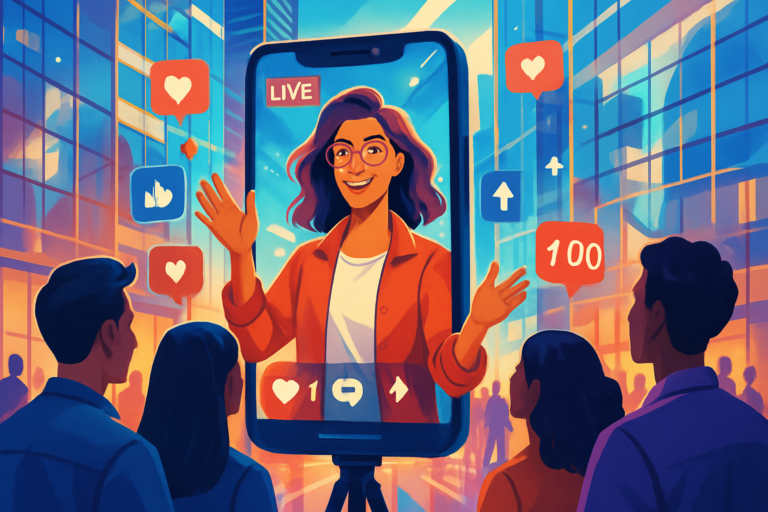
Live sessions help reduce skepticism by showing real-time influencer interaction with products, minimizing heavy post-production editing and enhancing endorsement transparency.[1] Incorporating limited-time discounts or promo codes during these live streams can immediately convert viewer engagement into sales.
Campaign Structure Options
Brands may structure influencer marketing initiatives through several models depending on campaign goals:[2]
- Affiliate partnerships: Compensation tied to tracked sales performance via unique codes or links.
- Sponsored posts: One-off or bundled content aimed at reach and brand awareness.
- Brand ambassador programs: Long-term influencer relationships providing sustained value.
- Product seeding: Sending products for free without upfront payment to encourage organic mentions.
- Creator collaborations: Deeper partnerships including co-designed products, events, and extended campaigns.
- User-Generated Content (UGC) licensing: Repurposing creator content in advertisements, emails, and web assets.
Execution and Optimization
Systematic outreach is vital for smooth campaign execution. Brands should clearly communicate campaign parameters, provide brand assets such as logos, color palettes, and fonts, and set messaging guidelines including any content to avoid.[3] Clarifying upfront whether creators must use supplied assets or adhere to brand values like sustainability ensures consistency and reduces friction.
Investment in influencer marketing platforms is recommended to streamline discovery, manage pricing negotiations, and facilitate content approval workflows. Whether handled in-house or via agencies, these tools enhance operational efficiency.[3]
An omnichannel approach expands reach by activating campaigns across multiple platforms ranging from Instagram and YouTube to emerging spaces like TikTok Shop and niche platforms such as Substack.[4] Meeting audiences on their preferred channels and in formats suited to each platform increases engagement and campaign resonance.
Emerging Trends in 2026
AI-powered content creation is shaping influencer marketing by enabling brands to scale creative output while lowering costs. Strategic allocation of budgets favor partnerships over content production expenses.[5] Effective use entails careful vetting of AI-generated material through A/B testing and robust attribution analytics.
Social commerce integration continues to disrupt marketing agencies as a dominant trend.[5] Brands are advised to optimize advertising within social platforms and facilitate seamless in-app purchase flows to harness direct social selling opportunities.
Community-first strategies emphasize genuine ongoing engagement by allowing creators greater flexibility in messaging and prioritizing authentic interaction. This includes teasing exclusives, booking culturally relevant influencers, and tailoring briefs to fit creator voices rather than enforcing rigid brand messaging.[4] Such approaches typically deliver higher resonance compared to conventional marketing tactics.
Key Success Metrics
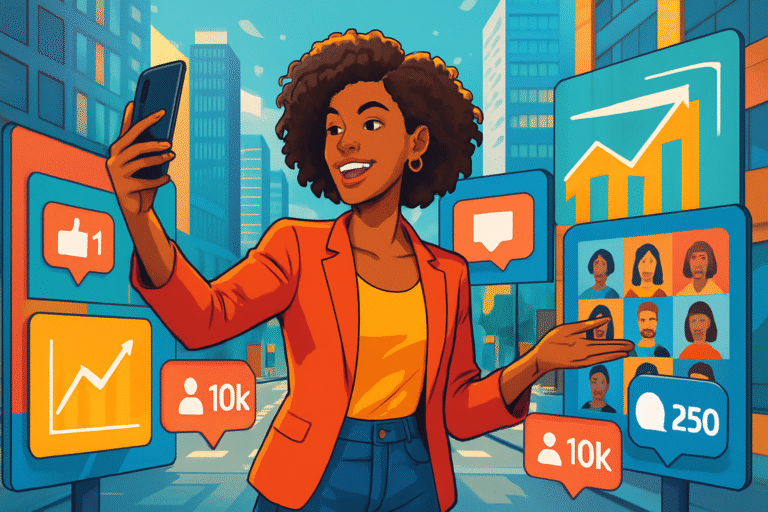
Measurement of influencer campaigns should move beyond vanity metrics like follower counts, focusing instead on diagnostic KPIs aligned with defined objectives. These include hook rates, content saves, audience sentiment, and engagement depth.[1] Structuring campaigns with clear CTAs and tracking through dedicated landing pages or unique promo codes enables precise performance attribution. Amplifying successful content via paid media further compounds outcomes over time.
Summary
Effective strategies for influencer marketing campaigns integrate well-defined goals, thoughtful creator selection based on audience and brand alignment, and diverse content tactics across multiple platforms. Campaign execution benefits from systematic communication, platform investments, and adapting to emerging trends such as AI content generation and social commerce. Evaluating success through meaningful engagement metrics rather than surface-level indicators is critical to maximizing return on investment. Exploring these methods provides a roadmap to building authentic, scalable influencer marketing programs that drive genuine engagement and growth.
For further insights on the latest trends and updates in influencer marketing, see the latest news on famemakr.com.