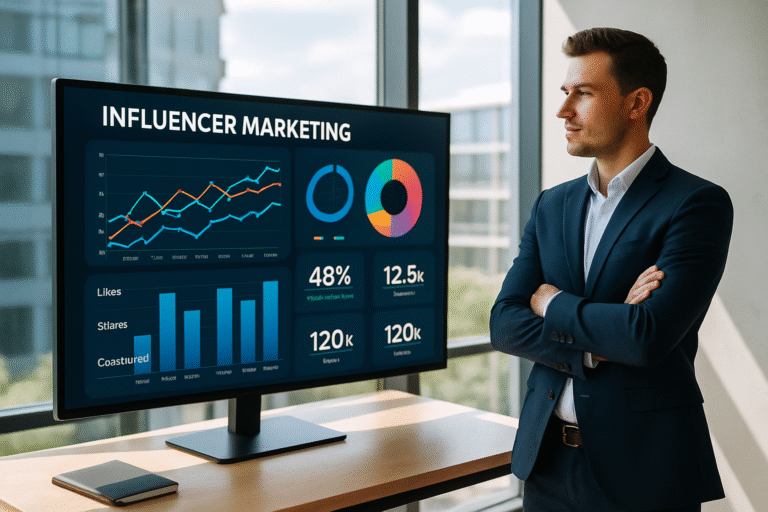
Effective Strategies for Influencer Marketing ROI
Effective Strategies for Influencer Marketing ROI
- Establish clear, measurable goals aligned with overall marketing objectives to guide campaigns effectively.
- Select influencers based on audience relevance and engagement rather than follower count alone.
- Create authentic and engaging content that resonates with the influencer’s audience to build trust and boost conversions.
- Utilize data analytics and tracking tools to monitor performance and optimize campaigns in real-time.
- Develop long-term partnerships and employ performance-based incentives to maximize sustained ROI.
Effective Strategies for Influencer Marketing ROI involve structured approaches to maximize returns from digital marketing efforts. Influencer marketing is a rapidly evolving domain where clear goal setting, targeted influencer selection, authentic content, and marketing analytics play crucial roles in campaign optimization and achieving measurable ROI. Understanding these strategies is essential for brands seeking sustainable growth amid competitive online environments.
Introduction
Influencer marketing has become a cornerstone of digital marketing strategies over recent years. As brands increasingly allocate budgets toward influencer partnerships, maximizing return on investment (ROI) remains a top priority. Effective ROI strategies matter to ensure marketing spend translates into tangible business outcomes such as brand awareness, engagement, conversions, and sales. This topic is relevant for marketing professionals, brand managers, and digital strategists aiming to optimize campaign execution, reduce costs, and improve financial returns.
The dynamic nature of influencer marketing demands a data-driven and strategic approach that aligns with evolving consumer behaviors and platform trends. Recent research highlights that well-planned campaigns with precise influencer targeting, authentic content creation, and robust analytics yield superior ROI compared to generic advertising efforts. This comprehensive overview provides insights into proven methods to enhance influencer marketing performance based on established practices and market benchmarks.
Effective Strategies for Influencer Marketing ROI
1. Set Clear, Measurable Objectives
Establishing SMART (Specific, Measurable, Achievable, Relevant, Time-bound) goals before beginning influencer campaigns ensures alignment with the brand’s broader marketing strategies. Clear objectives guide all stages of the campaign, from influencer selection to content direction and performance evaluation. Focusing on specific outcomes such as engagement rates, website traffic, conversions, or sales facilitates targeted efforts that produce meaningful results. This foundational step improves resource allocation and campaign efficiency[2][3][7].
2. Choose the Right Influencers
Selecting influencers should transcend simple follower count metrics. Micro- and nano-influencers, whose audiences closely match brand targets, often generate higher engagement and deliver more authentic reach. Their niche relevance and trustworthiness generally outperform celebrity endorsements in terms of ROI. Careful analysis of influencer audiences, demographics, and previous campaign outcomes helps pinpoint collaborators who maximize value. This targeted strategy improves campaign resonance and effectiveness[3][7][4].
3. Craft Authentic, Engaging Content
Influencers are encouraged to produce genuine, relatable content that aligns with their personal style, enhancing audience trust and connection. Authenticity fosters stronger engagement and conversion potential. Experimenting with formats such as videos, stories, reels, or live streams across various platforms can increase reach and impact. Content diversity supports broader audience capture and helps tailor messaging to platform-specific preferences, which can amplify campaign results[1][4][6].
4. Use Data and Analytics for Optimization
Implementing tracking tools like UTM parameters, unique promo codes, affiliate dashboards, and integrated analytics platforms enables comprehensive measurement of key performance indicators (KPIs) including engagement, reach, clicks, conversions, and sales. Systematic data collection and real-time monitoring facilitate ongoing campaign adjustments, improving effectiveness and ROI. Marketing analytics also informs budget allocation and identifies high-performing influencers or channels for future optimization[2][3][7][13].
5. Leverage Performance-Based and Affiliate Partnerships
Negotiating influencer compensation based on performance metrics such as sales or conversion rates aligns incentives and fosters motivated promotion. Affiliate models that offer tiered commissions or integrate gamification elements encourage sustained engagement from influencers, enhancing campaign longevity and financial returns. These strategies create measurable accountability and support goal achievement while controlling costs[7][9][5].
6. Explore Emerging Trends and Platforms
Remaining current with social algorithm changes and emerging influencer types—including AI-driven influencers and LinkedIn thought leaders—ensures marketing remains innovative and relevant. Incorporating new content formats and platforms can enhance visibility and diversify audience touchpoints. This approach supports continuous improvement of ROI by adapting to market shifts and consumer preferences[1][5].
7. Develop Long-Term Influencer Relationships
Sustained collaborations through annual contracts or brand ambassador programs foster deeper trust and consistent messaging. Long-term partnerships improve campaign efficiency by building authentic connections that resonate with audiences. Such relationships often lead to cumulative ROI growth over time and reduce the overhead associated with onboarding new influencers repeatedly[4][7][9].
8. Implement Whitelisting and Repurposing Content
Amplifying successful influencer content through paid ads directly from the influencer’s social media account (whitelisting) blends organic authenticity with expanded paid reach. Repurposing high-performing content in various marketing channels maximizes value and increases impressions. This coordinated approach boosts campaign impact and efficiency, contributing positively to ROI[5].
9. Optimize Engagement Strategies
Utilizing direct calls to action, incentivizing influencer performance, and maintaining feedback mechanisms encourages active participation and ensures messaging remains compelling. Continual refinement based on audience reactions enables marketers to address preferences effectively and maintain high engagement levels throughout campaigns[4].
10. Resource Optimization
Strategic allocation of budget, personnel, and technology avoids overspending and enhances operational efficiency. Deploying resources toward data-driven insights, platform capabilities, and influencer management tools supports campaign success. Proper resource management ensures influencer marketing delivers measurable results aligned with brand goals[2].
Market Context and Performance Benchmarks
Recent benchmarks from 2025 indicate that well-executed influencer marketing campaigns typically deliver returns ranging from $5.20 to $5.78 for every dollar invested[3][7][14]. Brands such as Genomelink and GreenPark have demonstrated significant cost reductions and double-digit sales growth through targeted influencer programs, validating the value of strategic approaches[4]. These outcomes emphasize the importance of integrated strategies incorporating precise targeting, analytics, and long-term collaboration to maximize ROI.
Risks and Considerations
While influencer marketing offers significant opportunities, risks include misaligned influencer partnerships, insufficient measurement capabilities, and rapidly changing platform algorithms. Brands must verify authentic influencer audiences and maintain transparency to mitigate fraud and reputational risks. Additionally, reaction to content or campaigns may vary across markets requiring adaptable strategies. Regular performance reviews and ongoing education on platform updates minimize potential pitfalls associated with influencer marketing efforts.
Summary
Effective strategies for influencer marketing ROI rely on a cohesive framework encompassing clear goal setting, targeted influencer selection, authentic content creation, robust marketing analytics, and long-term partnership development. Employing data-driven optimization, performance-based incentives, and innovative content formats further enhances campaign outcomes. These components collectively drive engagement, conversion, and sustainable financial returns in digital marketing initiatives. Employing these strategies positions brands to maximize their influencer marketing impact and realize optimal ROI.
See the latest news and updates on influencer marketing strategies and digital marketing innovations at famemakr.com.