Effective Strategies for Influencer Marketing Growth
Effective Strategies for Influencer Marketing Growth
Effective strategies for influencer marketing growth remain essential for brands seeking to enhance their brand engagement and social media growth. This topic explores proven marketing strategies that leverage diverse influencer collaborations, advanced content formats, and cutting-edge technologies to expand campaign impact and maximize conversions.
- Adoption of short-form video and live streaming drives engagement and conversion in influencer campaigns.
- Diversified influencer relationships through long-term brand ambassador programs improve trust and sustained brand engagement.
- Clear marketing goals and audience research enable targeted influencer selection and relevant campaign design.
- Utilization of AI, data analytics, and platform-specific approaches optimizes influencer marketing performance and ROI.
- Full-funnel influencer marketing integrates awareness, conversion, and loyalty efforts for comprehensive growth.
Lead
Effective strategies for influencer marketing growth focus on leveraging evolving digital formats and advanced marketing techniques to increase brand engagement, social media growth, and campaign conversions. The use of innovative content types such as short-form videos and live streaming combined with diversified influencer collaborations ensures brands can reach and resonate with their target audiences efficiently. Incorporating data-driven goal setting and AI-powered tools optimizes performance within an increasingly competitive landscape.
Introduction to Influencer Marketing Growth Strategies
Influencer marketing has become a critical component of modern marketing strategies due to its ability to authentically connect brands with consumers across digital channels. Its relevance has grown with the proliferation of social media platforms and varied content formats. In 2025, adopting effective influencer marketing strategies is vital for brands aiming to boost brand engagement and social media growth while maximizing their marketing return on investment (ROI).
This topic is particularly important for marketing professionals, brand managers, and business executives who seek to understand how to optimize influencer collaborations and campaign designs in response to evolving consumer behaviors and platform dynamics. Recognizing when to employ specific influencer tiers, advanced technologies, or full-funnel marketing interventions can differentiate successful influencer marketing from less effective efforts.
Effective Strategies for Influencer Marketing Growth
Defining Influencer Marketing and Its Importance
Influencer marketing involves partnering with individuals who have a dedicated social media following to promote products or services. Unlike traditional advertising, influencer marketing leverages the influencer’s credibility and authentic connection with their audience to increase brand trust and drive purchasing behavior. The growth of influencer marketing is linked to its ability to engage consumers more personally and generate measurable impact on brand awareness and sales.
Short-form Video and Live Streaming
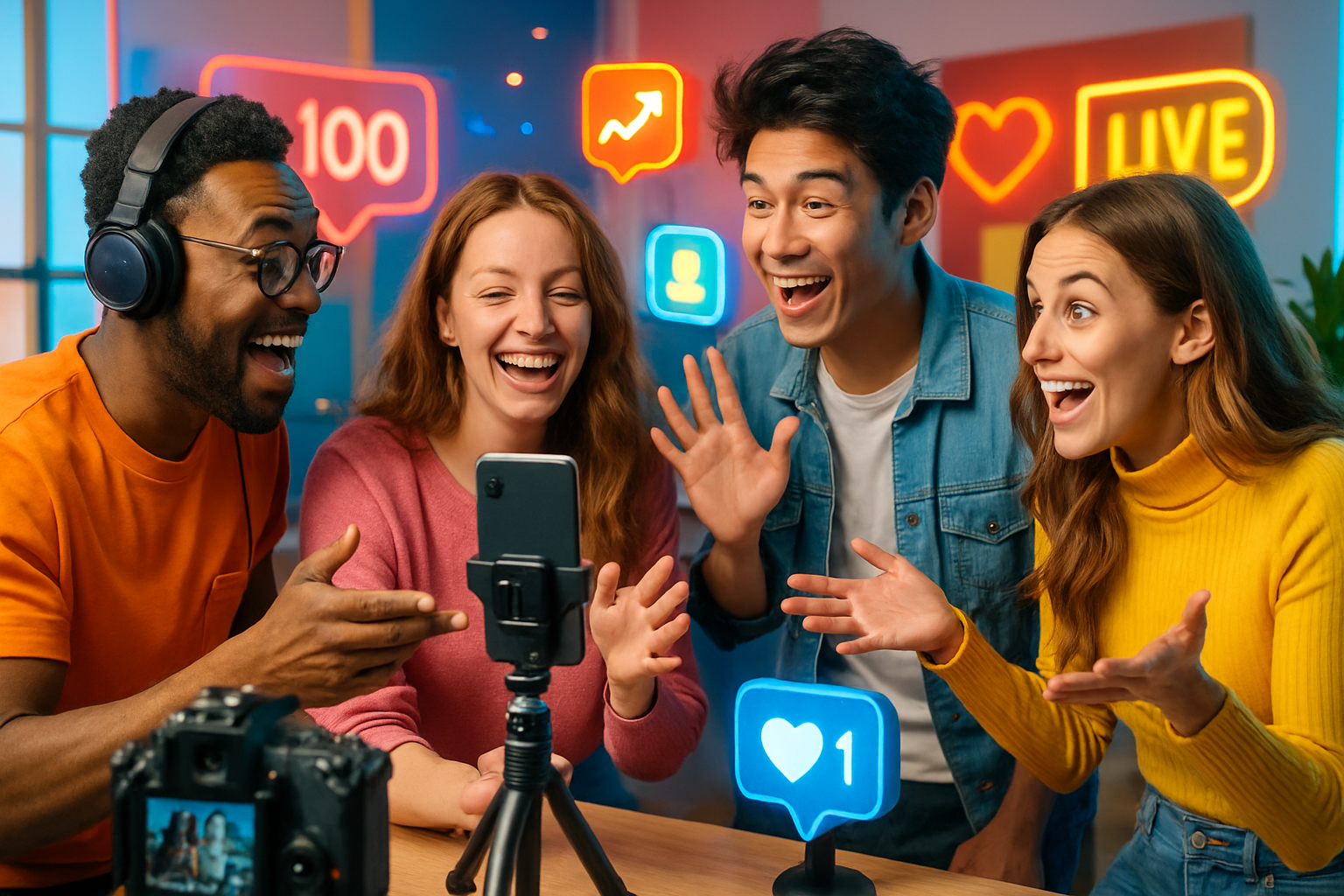
One of the primary strategies contributing to influencer marketing growth is the adoption of short-form video content and live streaming. Platforms like TikTok and Instagram Reels provide brief, highly engaging videos that have demonstrated viral potential and high interaction rates. Live streaming formats, available on TikTok Live and Instagram Live, combine entertainment with real-time sales opportunities. This approach facilitates immediate audience engagement and direct conversion through interactive product promotions.[1][7]
Interactive and Shoppable Content
Interactive content such as giveaways, challenges, and live question-and-answer sessions increase audience participation and brand engagement. Additionally, shoppable posts and curated influencer storefronts on eCommerce platforms function as powerful tools, enhancing social proof and providing a seamless purchasing experience that improves conversion rates. For example, influencers can showcase products within posts that allow followers to purchase immediately, reducing friction in the customer journey.[1]
Diversified Influencer Relationships
Brands that focus on establishing diversified and sustained relationships with influencers tend to perform better than those relying on one-off collaborations. This strategy includes long-term brand ambassador programs, product seeding initiatives, and affiliate marketing partnerships. These kinds of arrangements foster deeper trust and sustained engagement between the influencer and the audience while aligning brand values consistently over time.[3][12]
Clear Goal Setting and Budget Prioritization
Successful influencer marketing campaigns begin with explicitly defined objectives such as building brand awareness, expanding social media growth, increasing audience reach, or driving direct sales. Clear goals guide informed influencer selection and marketing strategy design, aligning campaign resources with realistic expectations and measurable outcomes. Budget prioritization based on these goals enhances campaign sustainability and efficiency.[2][4]
Target Audience Research and Persona Development
Developing detailed buyer personas enables brands to identify influencers who authentically resonate with intended audiences. Persona development involves comprehensive research on audience demographics, preferences, and behaviors to improve campaign relevance and impact. This leads to more effective matching between influencers and the brand’s target consumers, increasing engagement and conversion potential.[4][8]
Strategic Use of Influencer Tiers and Platforms
Influencers vary by audience size and niche. Micro and nano influencers often provide higher engagement and niche authenticity, while mega influencers deliver larger reach and mainstream visibility. Brands benefit from leveraging the appropriate tier for their specific campaign goals. Instagram and TikTok continue to dominate influencer marketing platforms due to their robust engagement and content features. The focus is extending to full-funnel marketing strategies, engaging consumers across awareness, conversion, and loyalty stages.[5][7]
Incorporating AI and Data Analytics
Emerging technologies such as Artificial Intelligence (AI) and data analytics enhance influencer marketing by automating influencer discovery, streamlining campaign management, and improving performance tracking. AI tools enable marketers to analyze audience behavior, engagement metrics, and platform algorithm changes, optimizing return on investment and adapting swiftly to digital market trends.[1][5]
Focus on the 3Rs: Relevance, Reach, and Resonance
Core criteria for influencer selection and campaign assessment include Relevance, Reach, and Resonance. Relevance ensures the influencer content aligns with both the brand and audience interests. Reach refers to the size of the influencer’s following, while Resonance measures the quality of engagement and audience connection. These 3Rs are fundamental to establishing impactful influencer marketing campaigns that generate meaningful results.[9]
Full-Funnel Influencer Marketing
Contemporary influencer marketing integrates efforts throughout the consumer journey. Marketers increasingly employ influencers to drive not only brand awareness but also sales, conversions, and long-term customer loyalty through multi-touchpoint strategies. This full-funnel approach augments traditional influencer roles by linking engagement directly to measurable business outcomes.[7]
Summary
Effective strategies for influencer marketing growth in 2025 demand a comprehensive and data-driven methodology that integrates innovative content formats, long-term influencer partnerships, goal-oriented marketing frameworks, and advanced technologies like AI. By focusing on diversified collaborations across various influencer tiers and platforms, while maintaining clear campaign goals and in-depth audience understanding, brands can significantly increase their brand engagement and social media growth. The adoption of full-funnel marketing further amplifies the contribution of influencers beyond awareness to conversions and loyalty.
Brands implementing these interconnected approaches are positioned to maximize influence, scale their reach, and sustain growth amid the fast-evolving digital marketing environment. Staying informed about the latest trends and technological tools will continue to be crucial for successful influencer marketing campaigns.
See the latest news and expert insights on influencer marketing growth strategies by visiting famemakr.com.