Effective Strategies for Influencer Marketing Growth
Effective Strategies for Influencer Marketing Growth
Effective Strategies for Influencer Marketing Growth
Influencer marketing remains a vital component of social media marketing, offering brands new pathways to increase engagement and drive sales. Effective strategies for influencer marketing growth are essential to optimize campaign outcomes in 2025 and beyond. This post outlines proven approaches that enable measurable marketing growth while fostering authentic connections between brands and their audiences.
- Micro- and nano-influencer partnerships deliver higher engagement with niche, loyal audiences.
- Long-term ambassador programs build sustained and credible brand representation.
- Data-driven influencer selection ensures campaign precision and better ROI measurement.
- Platform-specific strategies leverage unique content formats and audience behaviors.
- User-generated content and live-streaming enhance authenticity and community trust.
Lead
Effective strategies for influencer marketing growth focus on developing authentic, targeted, and data-driven partnerships between brands and content creators. These approaches have become increasingly relevant in 2025 as social media marketing evolves and audiences demand genuine brand interactions. Leveraging influencer partnerships alongside clear campaign strategies supports entrepreneurship efforts and maximizes marketing growth opportunities.
Introduction: Why and When Effective Strategies Matter
Influencer marketing has changed from broad, reach-focused campaigns to more nuanced, engagement-driven initiatives. As brands strive to stand out amid saturated social media platforms, employing effective campaign strategies becomes crucial. This is particularly important for entrepreneurs and marketers aiming to allocate budgets strategically and enhance measurable results. Recognizing the shifting landscape of influencer marketing—from one-off posts to long-term relationships and data-backed decisions—helps stakeholders optimize their social media marketing efforts effectively.
Main Section: Definitions, Examples, Market Context, and Risks
Micro- and nano-influencer partnerships involve collaborating with creators who have between 10,000 and 100,000 followers. These influencers typically maintain niche, loyal audiences, making their endorsements appear more authentic and trustworthy. Platforms like TikTok amplify these partnerships organically, often generating higher engagement rates compared to mega-influencers. This approach is cost-effective and fosters genuine content creation aligned with brand values[1][3][5].
Product seeding campaigns involve sending free, carefully packaged products to relevant influencers, especially smaller creators. The inclusion of personal touches, such as handwritten notes, encourages organic unboxing content and genuine promotion. This strategy enhances brand visibility while promoting natural, audience-driven content sharing[1][3].
Long-term ambassador programs emphasize sustained partnerships rather than one-off promotional posts. Influencers acting as brand ambassadors develop credible and consistent representation by integrating the brand authentically into their content over time. This continuity fosters deeper audience trust and reinforces the brand’s presence across social channels[1][3][5][6].
Affiliate marketing with unique discount codes enables precise tracking of conversion rates through influencer-specific codes. This method incentivizes creators by linking performance directly to rewards and provides brands with measurable ROI data. The fusion of influencer reach with performance marketing elevates campaign efficiency and accountability[1][3].
User-generated content (UGC) campaigns harness audience participation by encouraging content submissions via contests, hashtags, or challenges. Peer recommendations delivered through UGC often surpass branded advertisements in credibility, magnifying authentic customer advocacy and trust[1][5].
Platform-specific strategies involve tailoring influencer marketing approaches to unique features and user behaviors of channels such as Instagram, TikTok, YouTube, and LinkedIn. Utilizing Instagram Stories and Reels, TikTok viral trends, YouTube tutorials, or LinkedIn endorsements enhances engagement by meeting audiences in familiar content formats relevant to each platform[1][4][8].
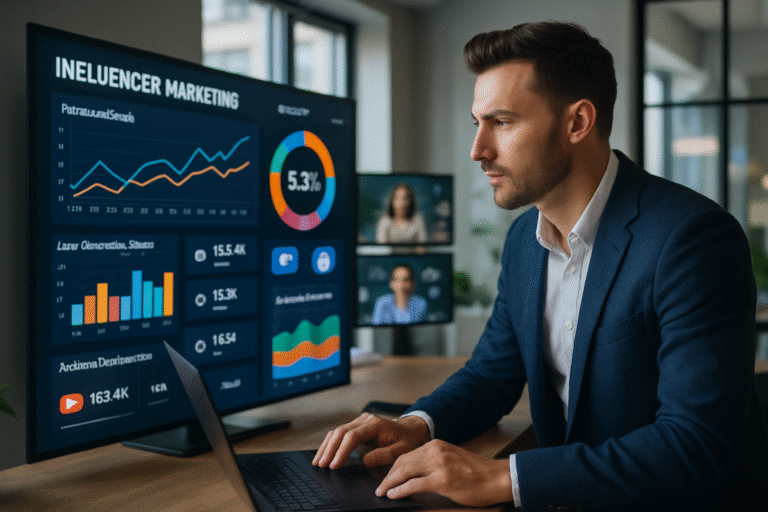
Data-driven influencer selection and campaign management refers to the use of analytics to identify influencers with audience demographics and content styles that closely align with brand goals. Tracking key performance indicators—such as engagement spikes, sales conversions, and content performance (video versus image)—allows for agile campaign adjustments and optimized marketing growth[4][6].
Content amplification and repurposing boosts the reach of top-performing influencer content through paid advertisements and redistributes authentic posts across owned media, including websites, emails, organic social channels, and retail displays. This maximizes return on investment by extending campaign lifespan and visibility[1].
Setting clear goals and budgets is fundamental to sustainable influencer marketing growth. Defining specific objectives such as brand awareness, audience engagement, or sales ensures that resources are allocated effectively. Clear budgeting supports strategic clarity and disciplined campaign execution[2][6].
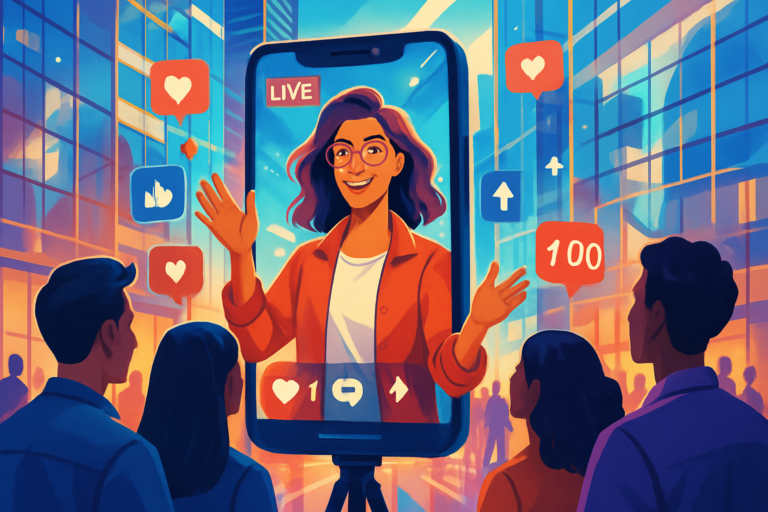
Leveraging live-streaming events enables real-time engagement through influencer-hosted tutorials, product demonstrations, or interactive Q&A sessions on platforms like Instagram Live and Twitch. This format drives authenticity, immediate audience connection, and dynamic content generation[6].
AI and advanced matching tools are emerging technologies that improve influencer-brand pairing by analyzing vast datasets to identify optimal partnerships. These tools increase the relevance and efficiency of campaigns, supporting scalable marketing growth in a competitive environment[5][9][11].
Market context and risks. Influencer marketing in 2025 is shaped by a demand for authenticity over sheer reach and an emphasis on measurement-led agility. Brands that rely solely on transactional influencer relationships or lack data insights risk ineffective campaigns. Compliance with advertising standards and transparent disclosure of partnerships remains critical to maintaining audience trust and avoiding regulatory pitfalls.
Summary
Effective strategies for influencer marketing growth integrate micro- and nano-influencer partnerships, long-term ambassador programs, and data-driven decision making. By tailoring campaign strategies to platform idiosyncrasies and leveraging user-generated content alongside innovative tools like AI matching, brands can build sustainable and measurable influencer marketing programs. Setting explicit goals and maintaining ongoing engagement rather than one-off posts ensures authentic brand storytelling and engagement at scale. These practices support lasting marketing growth aligned with entrepreneurship and evolving social media dynamics.
For detailed insights and updates on influencer marketing trends and campaign innovations, see the latest news on famemakr.com.