Effective Strategies for Influencer Marketing Campaigns
Effective Strategies for Influencer Marketing Campaigns
Influencer marketing has become a central element in modern marketing strategies, offering brands diverse ways to improve their brand visibility and audience engagement. Effective strategies for influencer marketing campaigns define clear goals, select suitable campaign types, and carefully choose influencers aligned with brand objectives to optimize results. Understanding these strategies is essential for marketers aiming to harness influencer collaborations to maximize impact.
- Defining precise goals, budgets, and target audiences anchors influencer marketing campaigns in measurable outcomes.
- Selecting campaign types and authentic messaging customized to campaign objectives enhances audience connection.
- Choosing influencers based on engagement, relevancy, and performance data ensures campaign authenticity and ROI.
- Incorporating emerging 2026 trends like AI, short-form video, and live shopping elevates campaign effectiveness.
- Managing campaigns through structured workflows and data-driven measurement safeguards brand integrity and optimizes impact.
Lead
Effective strategies for influencer marketing campaigns are vital for brands seeking to boost brand visibility and foster meaningful audience engagement. These campaigns utilize influencers’ reach and credibility to deliver authentic promotional content across digital platforms. Implementing well-defined marketing strategies ensures that influencer collaborations achieve tangible business outcomes and resonate with targeted audiences.
Introduction
Influencer marketing has evolved as an indispensable channel within broader digital marketing efforts, particularly as consumers increasingly seek authentic, relatable brand narratives. As brands plan campaigns for varied business goals—from elevating brand awareness to driving sales—establishing effective strategies becomes critical. These strategies are relevant for marketers, brand managers, and agencies aiming to navigate the complexities of influencer partnerships with strategic precision. The necessity to plan, execute, and measure influencer marketing initiatives accurately grows alongside shifting consumer habits and technological advancements.
Building Blocks of Influencer Marketing Campaigns
Define Goals, Budget, and Audience
Successful influencer marketing campaigns originate with clearly established objectives aligned with overarching business priorities. Common goals include enhancing brand awareness, increasing direct-to-consumer (DTC) sales by specific margins (e.g., 20%), growing social media followings, generating backlinks, or creating hype around product launches. Precise target audience definitions—such as reaching Generation Z in urban areas—are essential to focus campaign efforts effectively.
It is advisable to begin with manageable goals and budgets to maintain campaign quality and avoid dilution of resources. Understanding buyer personas via customer research tools sharpens audience targeting, which is fundamental to campaign success.
Select Campaign Types and Messaging
The selection of campaign formats should directly reflect the established goals. Options include:
- Sponsored posts: Single or bundled posts designed for broad reach.
- Livestream events: Real-time demonstrations, tutorials, or Q&A sessions on platforms like Instagram Live or Twitch.
- Brand ambassador programs: Long-term influencer partnerships with compensation and perks.
- Affiliate partnerships: Performance-driven arrangements utilizing promotional codes or referral links.
- Giveaways: Contests encouraging follower participation to build interest.
- Social media takeovers: Influencers temporarily managing brand accounts to inject fresh content.
- Product seeding: Distribution of complimentary products to influencers without upfront payment.
- Creator collaborations: Joint events, co-designed products, or user-generated content (UGC) licensing for advertising.
Messaging should be conversational and authentic, matching the influencer’s natural style while maintaining brand alignment. Providing clear creative briefs that outline objectives, timelines, key talking points, hashtags, and required disclosures assists in delivering consistent content aligned with campaign expectations.
Choose the Right Influencers
Prioritizing nano and micro-influencers has become a preferred approach due to their higher engagement rates, perceived authenticity, and favorable return on investment (ROI) compared to influencers with larger follower counts. Influencer selection should emphasize topic relevancy using algorithmic data, cultural compatibility, storytelling competencies, and audience overlap rather than demographic factors alone.
Data-driven evaluation focusing on behavioral and performance metrics is recommended to identify genuine influencers and avoid reliance on inflated or purchased follower counts. Ensuring that chosen creators embody the “product truth”—the reason the target audience values the product—supports authentic and persuasive content delivery.
Leverage 2026 Trends for Impact
Emerging trends in 2026 provide new avenues for enhancing influencer marketing campaigns:
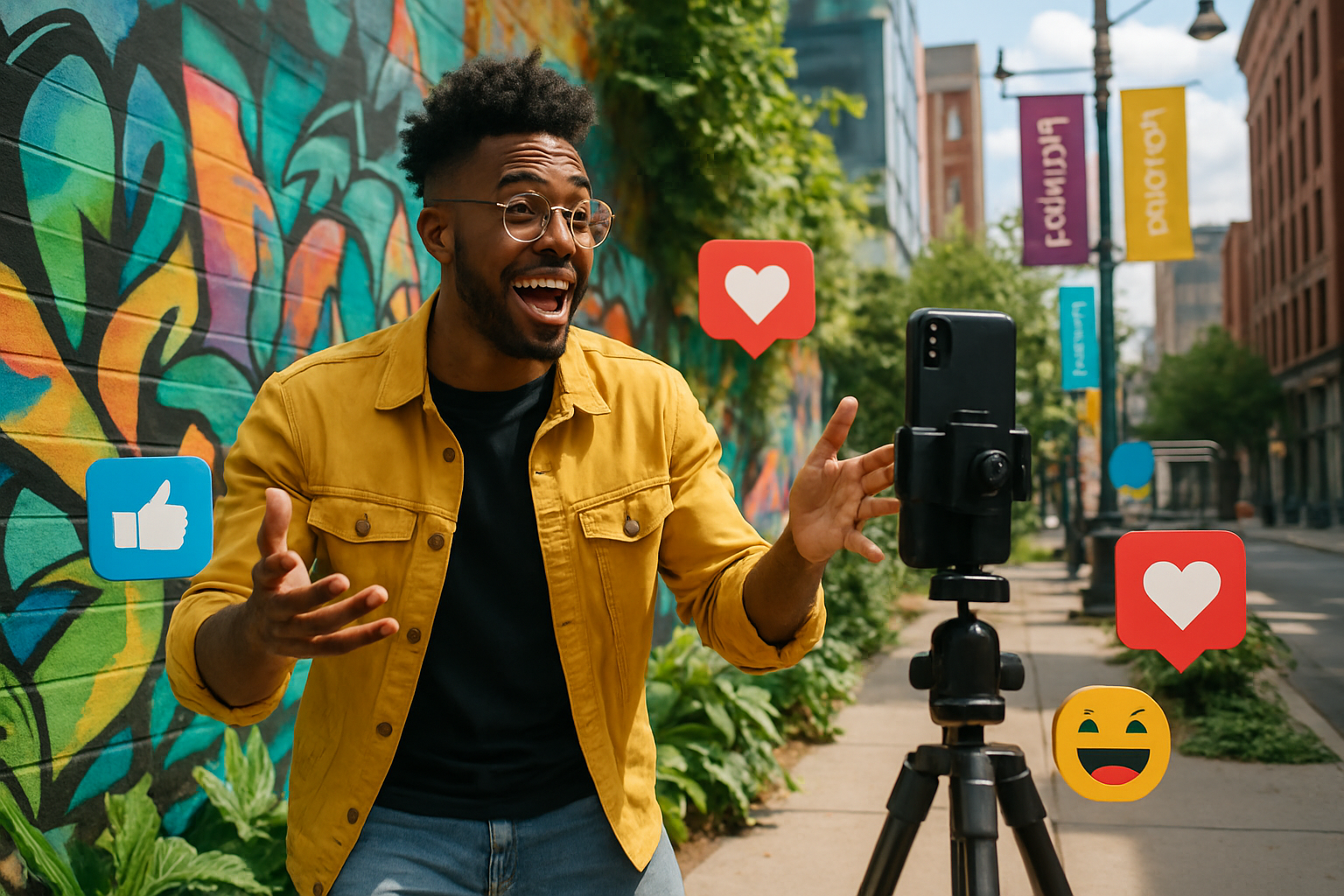
- Short-form video: Platforms like TikTok, Instagram Reels, and YouTube Shorts offer engaging storytelling opportunities.
- AI tools: Used for content creation, personalization, campaign optimization, and measurement.
- Social SEO: Optimizing content to increase visibility on search functionalities within Instagram, TikTok, and YouTube.
- Live shopping: Influencer-hosted streams facilitate real-time e-commerce conversions.
- Creator-to-creator collaborations: Cross-promotion among creators with overlapping audience bases extends reach organically.
- Authenticity focus: Transparent, unscripted, and natural content builds lasting trust with audiences.
Reutilizing influencer-generated content across email campaigns, paid advertisements, and physical signage can amplify campaign reach and ROI. Encouraging fans to initiate conversations enhances organic engagement.
Manage and Measure Campaigns
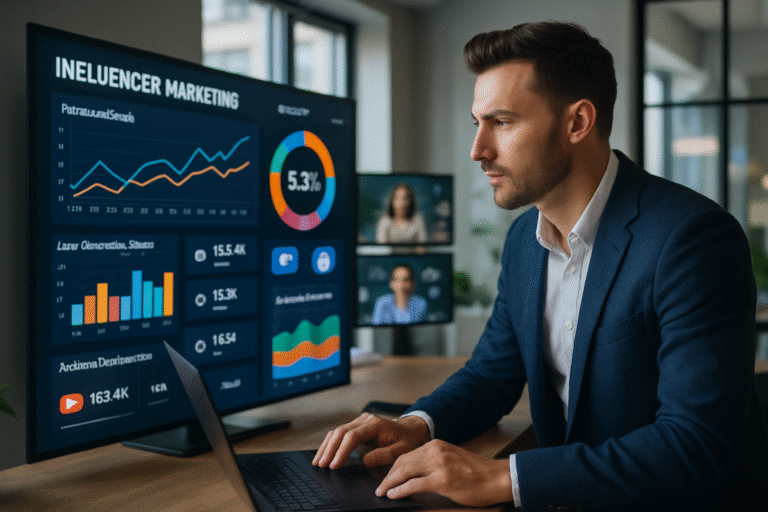
Effective campaign management includes providing influencers with detailed briefs, timeline expectations, brand guidelines, and approval procedures to ensure consistent and on-brand messaging. Employing data analytics tools helps monitor performance indicators such as ROI, conversions, and engagement metrics to refine marketing strategies continually.
Avoiding common pitfalls like random or misaligned posting, sponsorships that conflict with brand values, or reliance on inflated influencer metrics is crucial to maintaining credibility. Offering influencers creative freedom fosters varied and authentic content, while actively sharing their posts supports enhanced engagement.
Summary
Effective strategies for influencer marketing campaigns combine clear goal-setting, thoughtful campaign type selection, and rigorous influencer vetting. Incorporating current trends such as short-form video and AI technologies enhances brand visibility and audience engagement. Structured management and data-driven measurement safeguard campaign success and ROI while emphasizing authenticity and relevance. These approaches align influencer marketing with sustainable, high-impact marketing strategies effective for 2026 and beyond.
See the latest news on famemakr.com for continued insights and updates on influencer marketing and digital marketing trends.