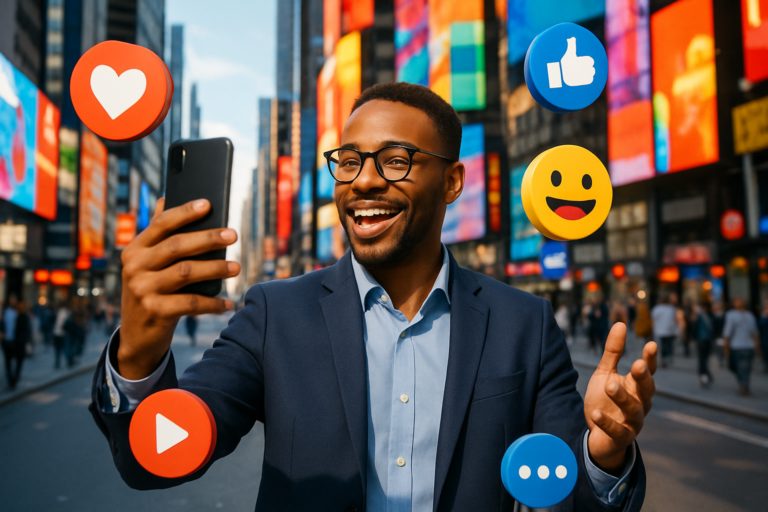
Effective Strategies for Influencer Marketing Growth
Effective Strategies for Influencer Marketing Growth
- Establish clear objectives and budgets to guide influencer campaign planning.
- Select influencers based on relevance, reach, and resonance to ensure audience alignment and engagement.
- Negotiate comprehensive agreements covering deliverables, content rights, and exclusivity clauses.
- Utilize paid social advertising and content whitelisting to amplify influencer content across platforms.
- Adopt always-on campaigns, diversify content channels, and apply data-driven performance metrics to maximize ROI.
Effective strategies for influencer marketing growth play an essential role in expanding brand presence and driving meaningful consumer engagement, particularly within entrepreneurship and digital marketing landscapes. As social media platforms evolve and competition intensifies, leveraging influencer collaborations with measurable outcomes and scalable campaigns has become imperative for optimizing return on investment (ROI). These strategies include systematic influencer selection, content optimization, performance tracking, and long-term relationship building.
Introduction to Influencer Marketing Growth
The significance of influencer marketing has increased notably in recent years due to its ability to foster authentic connections with target audiences and catalyze social media growth effectively. For entrepreneurs and marketing professionals, understanding when to implement influencer strategies and for which outcomes is crucial for campaign success. Influencer marketing is particularly valuable for brand awareness, engagement enhancement, and direct sales generation. Consequently, businesses seeking to integrate influencer marketing within their broader marketing strategies must employ structured approaches that encompass influencer selection, content strategy, budget management, and multichannel amplification.
In 2025, the influencer marketing landscape is shaped by platforms such as TikTok, Instagram, and YouTube, which dominate user engagement and offer innovative ad formats like Spark Ads and Partnership Ads. Adopting a data-driven mindset and continuous optimization based on emerging platform trends and audience preferences remain vital for sustained growth and improved ROI in influencer campaigns.
Main Strategies for Effective Influencer Marketing Growth
1. Define Clear Goals and Budgets
A foundational step involves setting precise campaign objectives. Common goals include increasing brand awareness, accelerating social media growth, boosting engagement rates, or driving direct sales. Establishing a realistic budget aligned with these goals informs the campaign framework and influencer targeting. Without clear goals and budgeting, campaign efforts risk inefficiency and reduced ROI. Tailoring budgets to campaign scope ensures optimal resource allocation and expected outcome alignment[9].
2. Selecting the Right Influencers Based on the 3 R’s: Relevance, Reach, and Resonance
Choosing appropriate influencers depends on a careful evaluation of three critical criteria:
- Reach: Pertains to the influencer’s follower base size and quality. A broad yet engaged audience increases exposure potential.
- Relevance: Measures alignment between the influencer’s content and the brand’s target demographic and values, ensuring message authenticity.
- Resonance: Captures the level of engagement and emotional connection that the influencer’s content generates, driving stronger audience loyalty and interaction[7].
This triad supports identifying influencers who can effectively represent the brand and attract meaningful engagement rather than superficial numbers.
3. Negotiate Comprehensive Influencer Packages
Agreements with influencers should include explicit deliverables such as the number and types of posts (e.g., feed posts, Stories, videos), usage rights that permit repurposing content for paid advertising, and exclusivity clauses preventing competitors from overlapping during campaign periods. Consideration of influencer tiers—from nano and micro to macro and celebrity influencers—alongside content complexity and platform specifications, is vital for fair compensation and campaign clarity[1].
4. Optimize and Amplify Influencer Content Using Paid Social Advertising
Top-performing organic influencer content benefits significantly from paid amplification. Platforms such as TikTok allow use of Spark Ads, Instagram offers Partnership Ads, and YouTube Shorts provide opportunities to repurpose existing content under authorized conditions. Testing various creatives, captions, and calls to action on paid ads enhances engagement and conversion rates[1][2]. Proper authorization and collaboration with influencers ensure compliance and seamless content integration.
5. Leverage Content Whitelisting and Affiliate Marketing
Content whitelisting enables brands to run influencer-generated posts as advertisements directly from influencer accounts, blending authenticity with precise audience targeting. Affiliate marketing programs further extend relationships by incentivizing influencers with financial rewards tied directly to sales performance, fostering sustained promotions beyond one-time campaigns[2].
6. Implement Always-On Campaigns for Sustained Growth
A shift from one-off influencer campaigns to ongoing, always-on efforts supports continuous content creation and reinforces audience trust and loyalty. Continuous collaboration with influencers contributes to deeper brand affiliation and consistent engagement, which is essential for entrepreneurship ventures aiming for long-term visibility and market presence[2].
7. Integrate Influencer Marketing with Broader Marketing Channels
Influencer marketing should function cohesively with other marketing channels for maximum ROI. Incorporation of influencer content within paid advertisements, email marketing, blog posts, e-commerce listings (e.g., Amazon), and podcasts contributes to a unified marketing message and optimizes resource utilization[3]. This multi-channel integration enhances the customer journey and nurtures conversions across touchpoints.
8. Repurpose Influencer Content Across Multiple Channels
More than half of brands repurpose influencer content on three or more channels, resulting in increased performance and cost efficiency[3]. For example, using influencer videos not only on social feeds but also within email campaigns can increase click-through rates by approximately 20%. Repurposing content maximizes the lifetime value of influencer creativity and maintains audience interest across platforms.
9. Measure Campaign Performance with Robust Metrics
Tracking key performance indicators (KPIs) such as engagement rates, click-through rates (particularly for affiliate-linked content), conversion rates, cost per acquisition, brand sentiment, and follower growth is essential. Distinguishing between engaged and passive audience views, especially in short-form video content, provides actionable insights for ongoing campaign refinement[1][2]. Data-driven analysis enables marketers to allocate budgets efficiently and optimize influencer partnerships.
10. Utilize Emerging Technologies and AI
Artificial intelligence tools enhance influencer marketing by identifying ideal influencers, forecasting campaign outcomes, and optimizing ad spend allocation. Although not universally adopted, AI integration helps streamline influencer selection, content scheduling, and budget adjustments to scale influencer efforts effectively and improve ROI potential[5].
11. Adapt to Platform Trends and Audience Preferences
Dominant platforms for influencer marketing in 2025 remain TikTok, Instagram, and YouTube, each offering unique ad formats and audience engagement models. Staying agile to incorporate platform-specific trends such as short-form video and emerging ad products is crucial to maintaining relevance and effectiveness in campaigns[3][5]. This adaptability ensures influencer content resonates with evolving consumer behaviors.
12. Focus on Genuine Influencer-Brand Alignment
Authenticity continues to be a pivotal determinant of influencer marketing success. Prioritizing influencers whose personal brand and audience align closely with a company’s values and target demographics fosters higher engagement rates and increased conversion likelihood. This genuine alignment minimizes ineffective spend that can result from chasing reach metrics alone[2][7].
Summary
In conclusion, effective strategies for influencer marketing growth in 2025 require a comprehensive approach grounded in clear campaign objectives, strategic influencer selection, detailed contractual agreements, and multi-channel content amplification. Leveraging paid social advertising, content whitelisting, affiliate incentives, and always-on campaigns enhances scalability and audience engagement. Measurement through robust, data-driven metrics and adapting to emerging technological tools and platform-specific trends ensures marketing strategies remain efficient and competitive.
Entrepreneurship and marketing professionals can achieve higher ROI and sustained social media growth by integrating influencer marketing within a broader marketing ecosystem, emphasizing authenticity, and adopting long-term partnership models. Staying informed on industry developments and applying these strategies systematically will optimize influencer marketing outcomes in evolving digital landscapes.
For ongoing insights and updates on influencer marketing and related marketing strategies, visit the latest news on famemakr.com.